
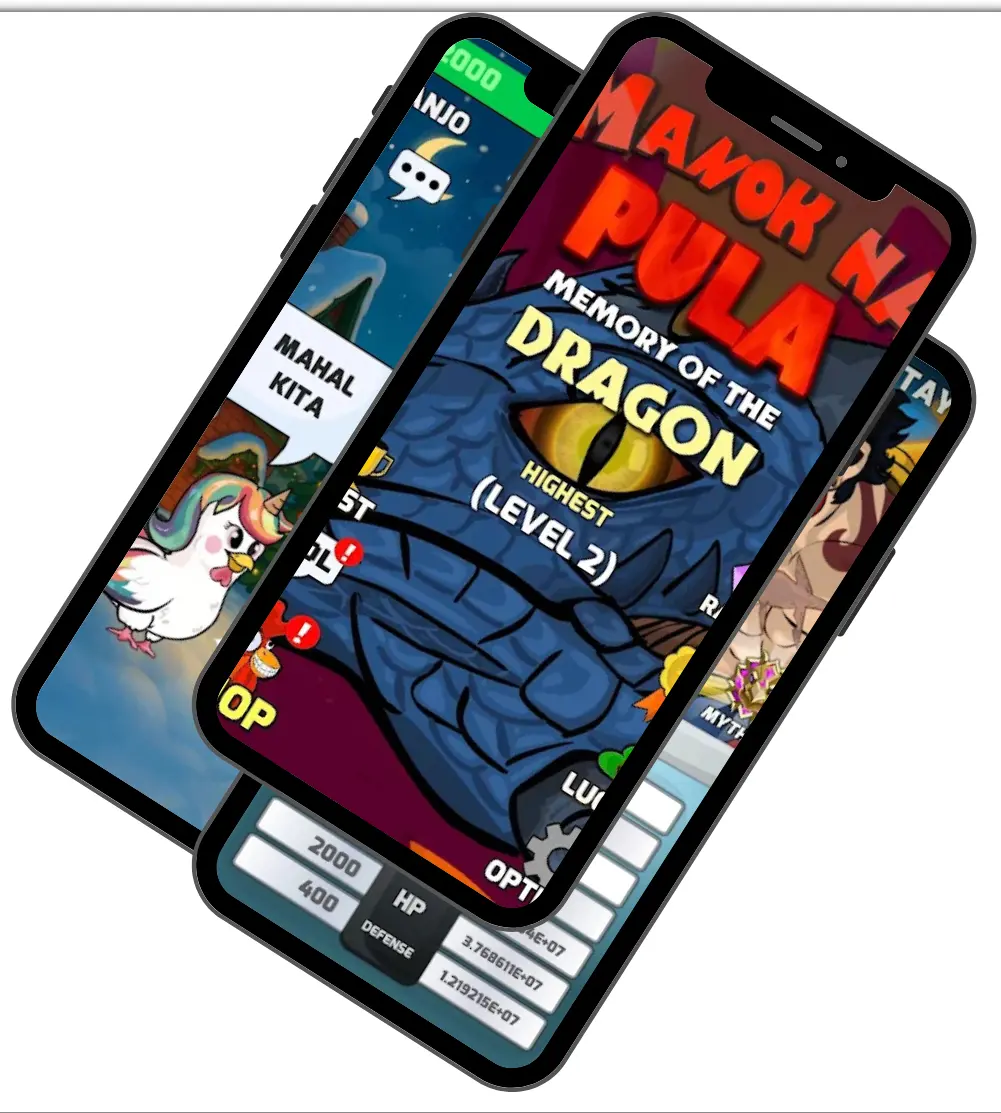
If Manok Na Pula looks a little chaotic the first time you open it — chickens flying at each other, colorful arenas, a currency screen full of numbers — you’re not alone. It looks more complicated than it actually is. Once you understand three or four core mechanics, everything else falls into place fast. This guide walks you through exactly that, from your very first match to your first real strategy decisions.
Getting Started: Your First Rooster
When you launch the game for the first time, you’re handed a single basic rooster — nothing special, but perfectly fine for learning the ropes. Don’t worry about its weak stats yet. Every player starts here, and the early matches exist specifically to teach you the game’s core rhythm before the difficulty ramps up.
Your goal in every match is simple: defeat the opposing chicken using your rooster’s attack power, health, and whatever special ability it carries. Win, and you’ll earn Gold Coins, sometimes Dragon Eye, and occasionally Magic Dust — the three currencies that drive everything else in the game.
Mastering the Timing Bar (This Is the Whole Game)
Here’s the one mechanic that decides almost every match: a horizontal bar sweeps across the screen right as a fight begins, moving through three zones.
- Tap too early or too late, and your opponent lands the first hit — often putting you on the back foot for the rest of the fight.
- Tap in the middle zone, and both roosters trade blows at the same time, with the higher-stat chicken usually coming out ahead.
- Tap right as the bar hits the sweet spot, and you strike first, which is the single biggest advantage you can get in any given exchange.
New players almost always lose their first several matches by tapping too fast out of instinct. Slow down, watch the bar, and wait for that window — timing discipline matters far more than how quickly your thumb moves.
Understanding Your Currencies
Three resources drive your progress, and knowing what each one actually does saves you a lot of wasted time:
Gold Coins are your everyday currency — earned from wins, spent on shop items and basic upgrades.
Dragon Eye is rarer, and it’s what unlocks stronger and more unusual roosters. Don’t spend it on the first character you unlock; save it for a fighter you actually plan to use long-term.
Magic Dust powers up and evolves the chickens you already own, gradually pushing them toward their strongest form.
Choosing and Upgrading Your Chickens
As you win more matches, you’ll unlock a growing roster of chickens, each with a different attack style, health pool, and special move. This is where a lot of beginners go wrong: upgrading everything a little bit instead of committing to a few fighters.
A better approach:
- Pick one or two chickens that match your playstyle (fast and aggressive, or slower and tankier) and invest most of your resources there.
- Prioritize attack power or health first, and treat cosmetic upgrades as a later luxury.
- Avoid spreading Dragon Eye and Magic Dust thin across your whole roster — a couple of well-built roosters beat a dozen half-upgraded ones.
Exploring Arenas and Game Modes
Matches take place across a growing set of arenas, each with a different look, layout, and difficulty curve. You don’t need to master every location right away — focus on winning consistently in the arenas you’re already comfortable with before pushing into tougher ones.
Beyond the standard battles, you’ll also come across missions and a multiplayer mode where you face other players instead of the AI. Multiplayer opponents adapt and switch strategies mid-match, which makes the timing skills you built in solo play even more important once you step into it.
A Word on Betting Wisely
Some matches let you wager coins before a fight, and it’s tempting to go big when you’re feeling confident. A safer habit: never risk more than a small, fixed portion of your current balance on any single match — something like 20-30% as a personal ceiling. That way, even a rough losing streak won’t wipe out the resources you’ve been saving for upgrades. Confidence in a match is not the same thing as a guaranteed win.
Climbing the Rank Ladder
As you take on ranked multiplayer matches, your profile progresses through a series of tiers — from an entry-level rank all the way up to the highest competitive badge in the game. These badges reflect genuine online-match performance, so they’re worth chasing once your roster and timing are solid enough to compete consistently rather than rushing into ranked play too early.
Do You Need Shortcuts to Win?
Not really. Manok Na Pula is genuinely built to reward patience and timing over raw luck — you don’t need tricks to enjoy it or improve at it. That said, if you’re playing a version with expanded resources (unlimited currency, every chicken unlocked from the start), the fundamentals in this guide still matter just as much. Having unlimited Dragon Eye doesn’t help if you spend it on the wrong chicken, and having max-level stats doesn’t help if you’re still tapping the timing bar at the wrong moment. Resources remove the grind; they don’t replace the skill.
Quick Recap for New Players
- Start with your basic rooster and use early matches to learn the timing bar
- Wait for the right moment to strike instead of tapping on instinct
- Save Dragon Eye for chickens you’ll actually commit to
- Upgrade a small number of roosters deeply rather than many roosters shallowly
- Keep bets small and consistent rather than chasing big wins
- Move into multiplayer once your timing and roster feel solid
Frequently Asked Questions
Is Manok Na Pula hard to learn? Not really — the controls are simple, and most players pick up the core timing mechanic within their first few matches.
Do I need to spend money to be competitive? No. Coins, Dragon Eye, and Magic Dust are all earnable through normal play; spending is optional, not required.
What’s the biggest mistake beginners make? Tapping the timing bar too fast out of instinct instead of waiting for the right window, and upgrading too many chickens at once instead of focusing resources on one or two.
Should I jump straight into multiplayer? It’s better to get comfortable with timing and build up a couple of strong roosters in solo matches first — multiplayer opponents are far less predictable than the AI.