
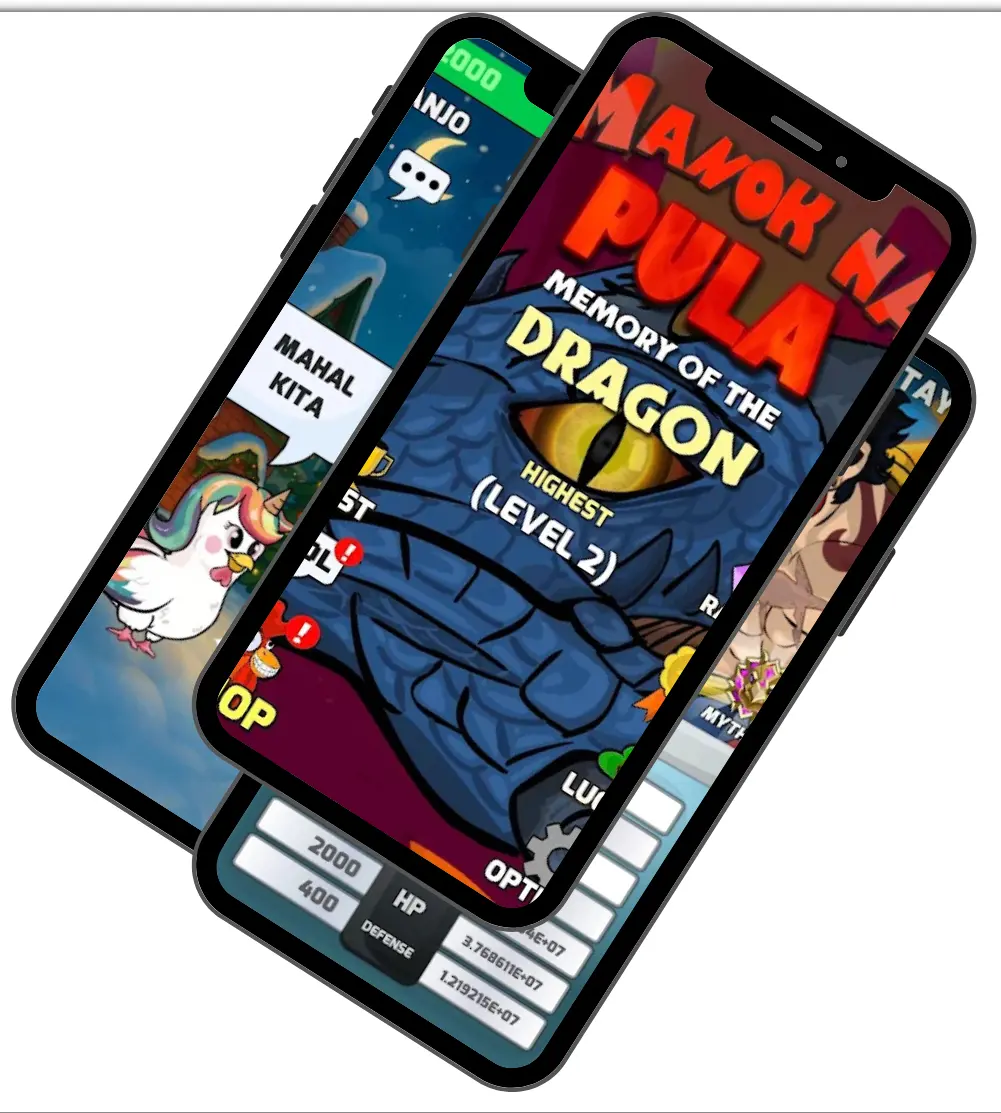
Before Manok Na Pula was a mobile game, it was a song — and understanding that origin story explains a lot about why the game’s tone, humor, and cultural framing landed the way they did with Filipino players.
Where the Song Came From
The Manok Na Pula song was written by Joemarie Torillo, a security guard from Bacolod City. According to widely reported accounts, the song was inspired by a real domestic dispute Torillo overheard between neighbors — a wife furious after discovering her husband had secretly gone to a cockfighting match and lost money that was meant to be sent home through a remittance service for their family. Torillo turned that overheard argument into a comedic parody, setting new Tagalog lyrics about sabong, regret, and a very angry wife to the melody of Anne Murray’s ballad “Just Another Woman in Love.”
How It Went Viral
The song’s breakout moment came when a social media user named Jaira Mendoza Escueta posted a video of her child singing it, which spread quickly across Filipino social media. From there, Filipino comedy singer Vic Desucatan — known for turning familiar melodies into humorous, relatable Pinoy stories — recorded and uploaded his own cover version, which went on to draw millions of views online.
The song’s popularity wasn’t accidental. A few things made it click with Filipino audiences specifically: the storyline (a gambling husband, a furious wife, a twist ending) reflects a kind of household story many Filipino families recognize in some form, and setting new comedic lyrics to a slow, widely-known ballad melody made it instantly singable — a format that travels especially well on platforms built around short-form video and karaoke culture.
A Note on Its Disputed Origin
Some public reporting has referenced a dispute over the song’s authorship, including a case that was reportedly brought to media personality Raffy Tulfo for mediation regarding attribution and compensation. As with any developing public dispute involving real individuals, the full details are best understood by referring directly to the original news coverage on the matter rather than a secondhand summary — we won’t speculate further on the specifics here.
From Viral Song to Mobile Game
The song’s cultural momentum — millions of views, widespread recognition, and a genuine connection to sabong culture — set the stage for TATAY Games to build Manok Na Pula as a mobile game a couple of years later. The game doesn’t retell the song’s plot directly, but it clearly inherits its tone: cartoon-exaggerated, comedic, unmistakably Filipino, and built around the same cultural touchstone of rooster fighting that made the song resonate in the first place. It’s a good example of internet virality translating into a lasting piece of gaming culture, rather than fading out after its initial viral moment.
Why This Context Matters for Players
Understanding the song’s backstory adds real texture to the game for players who weren’t around for its original viral spread — the humor, the character names, and even some of the arena and cultural references throughout Manok Na Pula make more sense once you know the game is building on an already-beloved piece of Filipino internet culture, not inventing its comedic sabong framing from scratch.
Frequently Asked Questions
Who wrote the original Manok Na Pula song? Joemarie Torillo, a security guard from Bacolod City, is widely credited as the song’s original composer.
What melody is the song based on? It’s a parody set to the melody of Anne Murray’s ballad “Just Another Woman in Love.”
Is the Manok Na Pula game based directly on the song’s storyline? Not directly — the game doesn’t retell the song’s plot, but it shares its comedic, culturally Filipino tone and its connection to sabong.
Who made the song go viral? A video posted by Jaira Mendoza Escueta first brought wide attention to it, and a cover by comedy singer Vic Desucatan helped it reach a much larger audience.